The Sunshine Coast’s warm and humid weather can be the perfect breeding ground for lawn fungal diseases. You might not be aware that your lawn is naturally full of fungi and spores, and usually these are harmless, until the right (or wrong) conditions cause them to turn on your pristine lawn.
They attack the roots of your turf and cause them to rot. At Wild Horse Turf we’ve worked hard to refine our growing techniques to ensure our grass is resistant to such diseases, yet sometimes they still rear their ugly heads.
The best news is most common lawn diseases are also the most easily preventable. But first let’s look at how to tell if your lawn is going brown because of a fungal disease or something else such as lawn grubs.
How to spot fungal diseases in your lawn
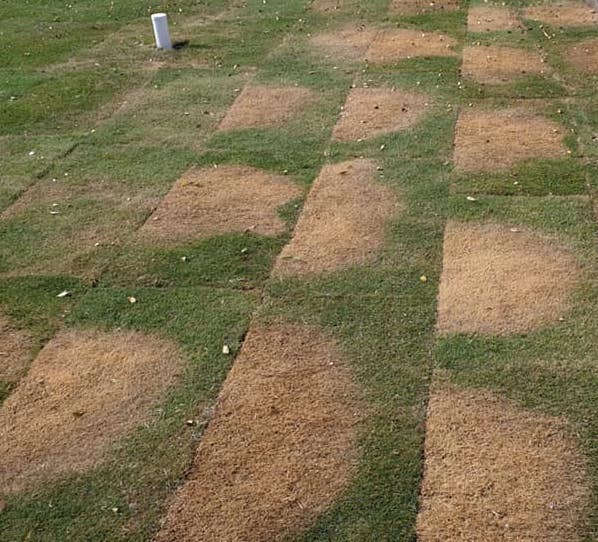
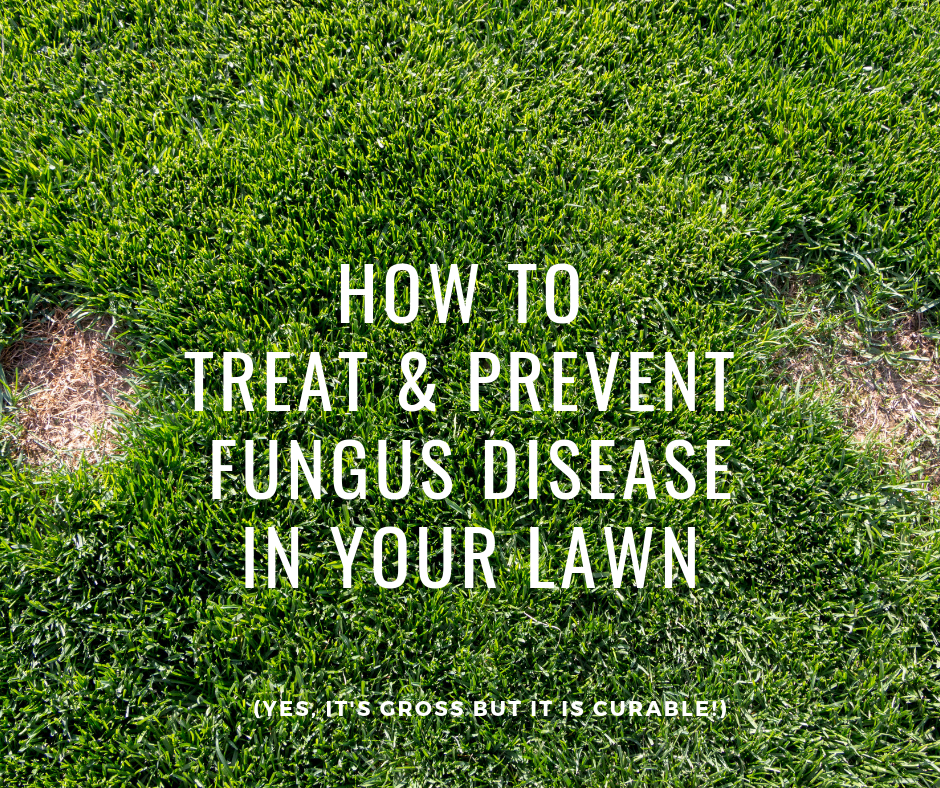
From highly-obvious spots, rings, threads to dead-looking patches brown patches, fungal diseases can take many forms. Examine your grass for signs of dampness, squishy roots and stems or fine white threads in your soil.
Others signs your lawn may have a fungal disease include:
- A wet-looking, slimy or greasy-looking lawn
- Patches or rings, usually white, yellow, or brown, that grow in diameter.
- Discolouration, frayed or distorted-looking blades of grass.
- Spots on the stems or blades of your lawn, often gray, black, red or orange.
- Powdery or threadlike coatings around and on grass blades
Fact: Mowing your grass too low can encourage fungal diseases.

Three common lawn fungal diseases
Certain diseases strike specific lawn varieties and others thrive during certain times of year or weather conditions, for example brown patch usually strikes during hot and humid weather. Dollar spot tends to arrive when nights are cool and the dew is heavy, whereas during drought conditions in hot weather fusarium blight springs into action.
Because not all fungicides are created equal, you’ll have to figure out exactly which pest you’re dealing with. Dean is Wild Horse Turf’s chief pest inspector and if you’re not sure what you’re dealing with, he can probably help, so take a photo of the problematic area and send it to us for identification.
How to treat fungal disease in your lawn
If you’re prefer organic options, you can pour or sprinkle compost tea, baking soda solutions or neem oil; it’s plant-based and non-toxic. This option is best for small areas. You can also try thinning out trees and shrubs surrounding your lawn to increase the air circulation, because lawn fungi develop in moist, still conditions.
A sure-fire way to sort out fungal diseases is a fungicide that’s targeted to your specific problem. These are available at all hardware stores. Keep in mind it won’t help your grass regrow but it’ll sort out spores.
Tip: If your lawn has diseased patches, be sure to wash and disinfect the underside of your mower after each use.
How to prevent getting fungal disease in your lawn
Don’t be disheartened if you already run a tight ship in regards to lawn care practices, sometimes diseases happen due to weather conditions that are out of your control. Do keep in mind that stressed or unhealthy lawns are much more likely to develop disease.

7 steps to help take control of fungal diseases in your lawn:
- Aerate by loosening soil in your lawn every year or two.
- Conduct a soil test to identify any nutrient deficiencies as these can lead to stressed lawns and disease.
- Apply a rich top-dressing soil to increase drainage and combat fungal diseases.
- Make sure you’ve got the right grass type for your climate, soil and sun conditions.
- Remove thick build-ups of thatch so your soil can breathe.
- Follow good mowing practices such as keeping blades sharp and mowing your lawn to the correct height.
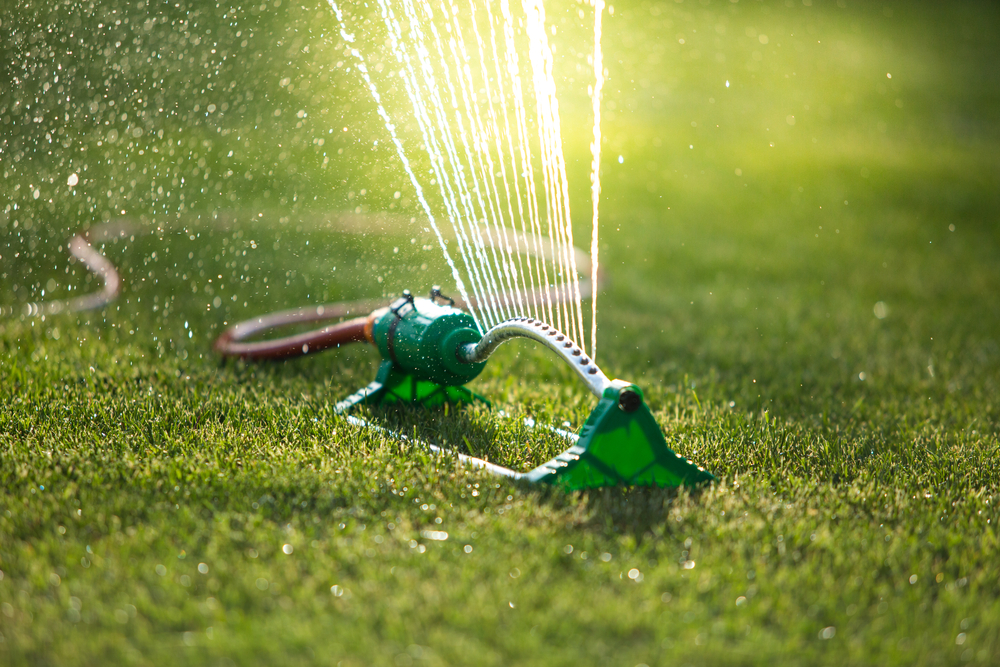
- Complete lawn watering at the beginning of each day rather than at night, so it’s not left sitting on a thatch layer overnight (except when establishing a new lawn).
Did you know? Scalped lawns are more vulnerable to fungal disease.
Wild Horse Turf can help guide you through the process of finding the right variety for your specific growing conditions and climate, so shoot us an email with any questions you might have.